What Are Value-Added Meat Products?
Value-added products are proteins that go through extra processing to make them more convenient, more consistent, better looking, or more premium. Examples include:
- Marinated chicken breasts
- Uniform sandwich portions
- Pre-portioned proteins
- Ready-to-cook meal components
- Seasoned protein products
These products typically earn higher margins than unprocessed commodity meat.
Consumers Are Paying for Convenience
Today’s shoppers want products that cut down on prep time at home. Many are happy to pay more for:
- Consistency
- Convenience
- Faster meal prep
- Better presentation
- Less waste
That trend has opened real opportunities for processors and grocery meat departments willing to go beyond basic cuts.
Consistency Creates Opportunity
One of the biggest challenges with value-added products is keeping them consistent. When protein sizes vary widely, processors run into problems with:
- Packaging
- Cooking times
- Nutrition labeling
- Product appearance
- Portion control
Equipment that produces consistent fillets and portions lays the foundation for a successful value-added program. Uniform products are easier to season, package, cook, and merchandise.
Expanding Product Offerings Without Expanding Labor
Labor is still one of the biggest challenges for food processors and grocery meat departments. Many operations want to add new products but can’t find enough people to support the growth.
The right processing equipment helps you produce:
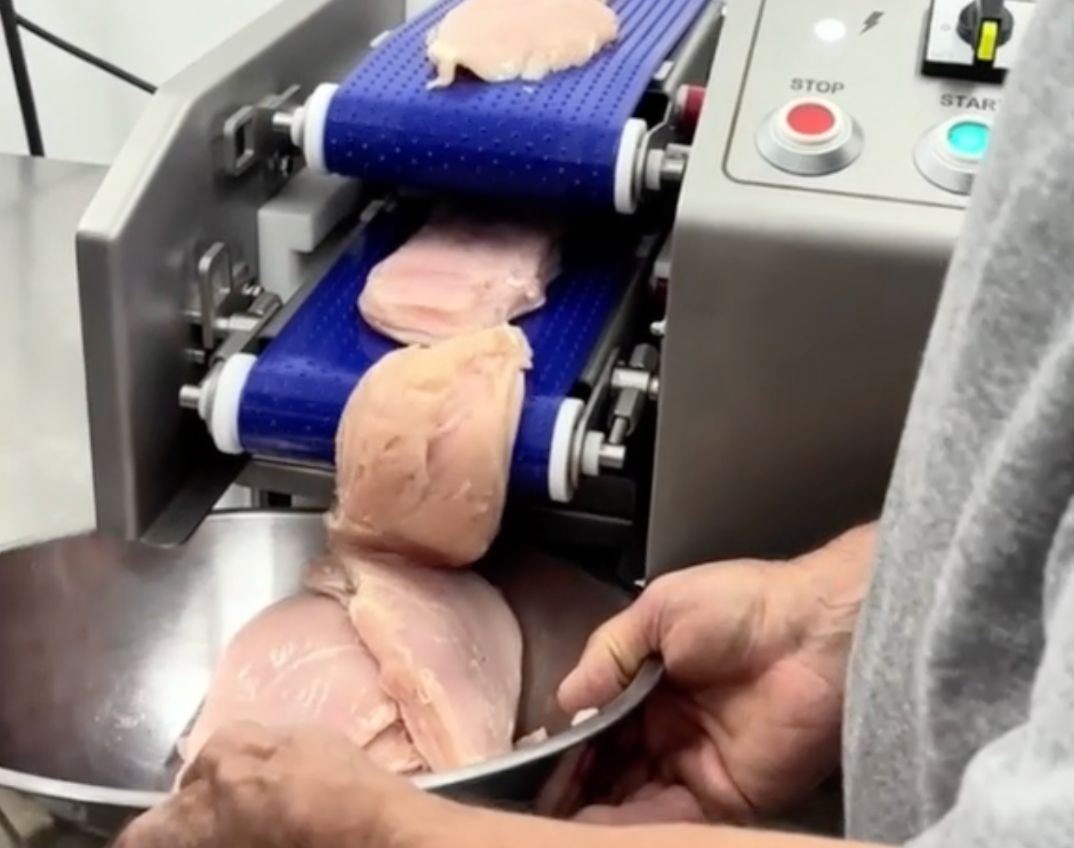
- Butterflied chicken breasts
- Uniform fillets
- Portion-controlled products
- Consistent prepared proteins
All without a big jump in labor. That lets you grow your product lineup without growing payroll at the same rate.
Increased Margin Through Differentiation
Competing on commodity products alone often turns into a race to the bottom. Value-added products give you a way to stand out. Instead of selling just another chicken breast, you can offer:
- Premium sandwich fillets
- Stuffed chicken entrées
- Marinated meal solutions
- Prepared proteins ready for retail or foodservice
These products often earn much higher margins and build stronger customer loyalty.
Better Use of the Product You Already Have
Value-added processing can also help you get more out of incoming raw material. By making several products from a single protein, you can respond to demand more easily while cutting waste. The result is often:
- Improved yield
- Better inventory management
- Higher profitability
- More product flexibility
Turning the Meat Department Into a Destination
More and more supermarket meat departments want to be destinations, not commodity counters. Customers can buy raw protein almost anywhere. What sets a meat department apart is its ability to offer:
- Convenience
- Consistency
- Premium prepared products
- Solutions for busy households
Value-added products make that possible.
Equipment That Makes Value-Added Simple
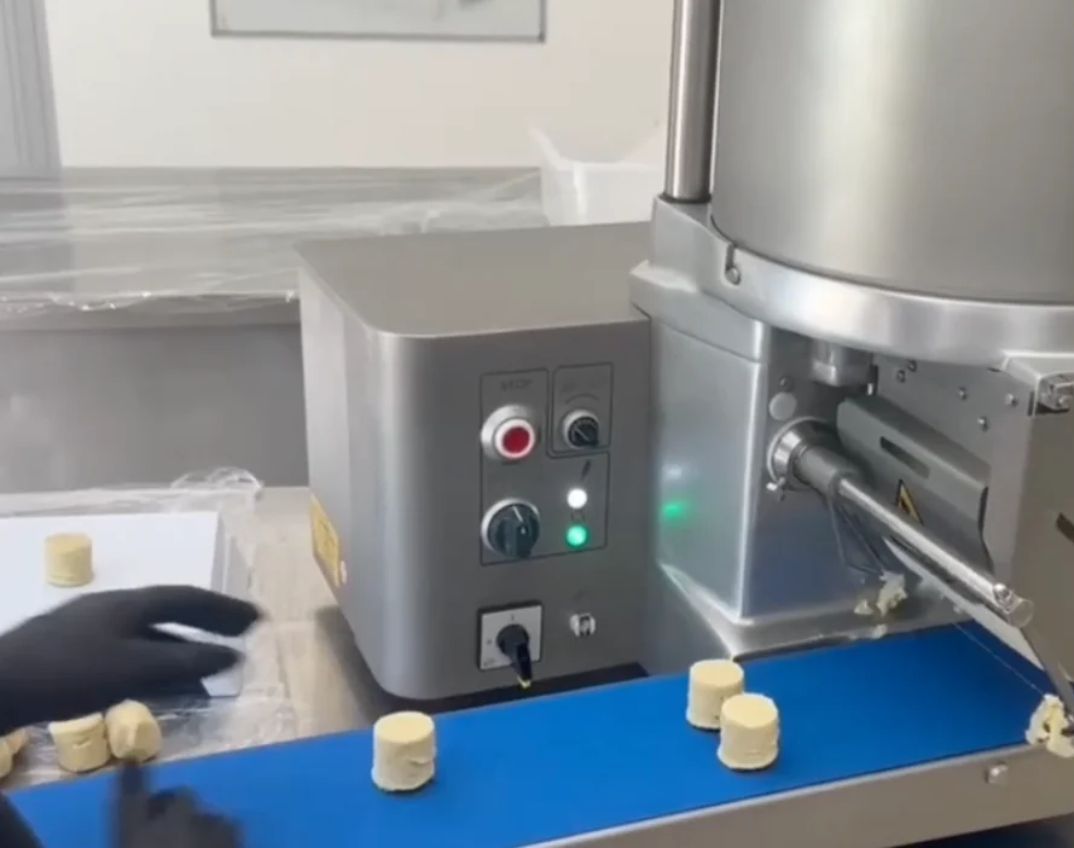
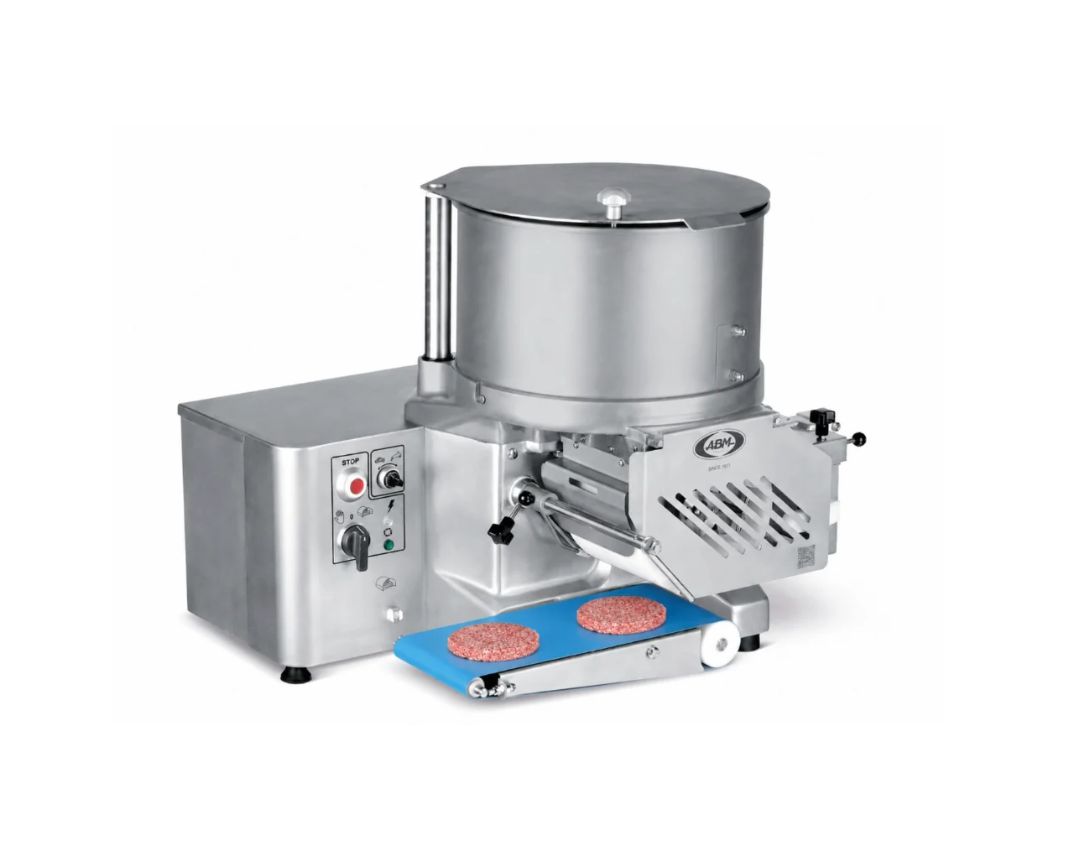
ABM equipment is built to help meat departments and processors add value without adding headcount. The ABM TP30 tabletop meat fillet machine turns out even, consistent fillets at up to seven pieces per minute, ready for marinating, sandwiches, and ready-to-cook packs. ABM patty formers use interchangeable, adjustable drums to make burgers, sliders, meatballs, and bulk portions on a single machine. Both are made in Italy and backed by a network of more than 80 local dealers across the United States and Canada.
The Bottom Line
The future of meat processing isn’t just about producing more product. It’s about producing products customers are willing to pay more for.
Value-added protein programs help processors, retailers, and foodservice suppliers raise margins, stand out from the competition, and build stronger customer relationships. With the right equipment and a commitment to consistency, value-added products can turn a meat department or processing operation from a volume business into a higher-margin growth engine.